" height="8px" id="x_HOY8XyM" transform="translate(6.008 4)" width="4.015649999999994px"/></svg>)
" height="7.5px" id="CSiwjDzLM" transform="translate(5 4)" width="6.570300102233887px"/></svg>)
" height="5.684156997170297px" id="FuNtYuhE0" transform="translate(4 5.16)" width="8px"/></svg>)
" height="8px" id="MlOPP20GY" transform="translate(4 4)" width="8px"/></svg>)
Your pet’s safety at home often hinges on more than just choosing the right food or scheduling regular vet visits. Many of the most serious risks come from items we use every day—items that are safe for us, but can be dangerous or even life-threatening to our animals. This guide will walk you through ten common household items that pose hidden dangers to cats, dogs (and sometimes other companion animals), explain the specific risks, and show you how to proactively protect against them.
1. Human Medications
Risk: Pets metabolize drugs differently from humans, so medications that seem benign to us can be toxic (or fatal) to them. Over-the-counter (OTC) analgesics, anti-inflammatories, prescription psychotropics, etc., are frequent causes of accidental poisoning.
Key examples:
Acetaminophen (Tylenol®) is extremely toxic to cats, causing liver failure and red-blood-cell damage.
NSAIDs (ibuprofen, naproxen) may cause stomach ulcers, kidney failure in dogs.
ADHD medications, antidepressants, heart medications can provoke seizures, cardiac complications.
Prevention: Store all human medications in sealed containers, locked high or behind child-proof lids. Avoid leaving pills/tablets out on counters or nightstands. When dispensing pet medications, ensure they’re clearly labelled and stored separately.
Emergency tip: If you suspect ingestion, contact your vet or a poison-control hotline immediately—even if the pet seems fine.
2. Houseplants & Garden Flora
Risk: Many decorative indoor or outdoor plants contain toxins that can cause symptoms from vomiting/diarrhea to organ failure or seizures if ingested (sometimes even via grooming pollen).
Examples to highlight:
True lilies (Easter, Tiger, Asiatic) are especially deadly to cats; even pollen ingestion can trigger acute kidney failure.
Sago palm seeds, particularly toxic to dogs and cats, can cause liver failure and seizures.
Oleander, azaleas, and rhododendrons are heart-toxic poisons in pets.
Tulips and hyacinths (especially bulbs) cause mouth/intestinal irritation if dogs dig/chew.
Prevention: Before bringing a new plant home, check a trusted toxic-plant database (for example the American Society for the Prevention of Cruelty to Animals (ASPCA) list). Place plants out of reach (especially vining/hanging plants) or choose pet-safe alternatives. In garden beds, consider fencing or barriers for curious pets.
Interesting update: As more households adopt cannabis, accidental exposure (edibles or smoke) has become more common. Pets may ingest brownies, gummies, or oils. Symptoms include disorientation, tremors, vomiting, and seizures.
Emergency tip: If you suspect plant ingestion, note which plant (or take a photo) and call your vet for guidance.
3. Human Foods
Risk: It’s natural to want to share snacks with our pets—but many foods harmless to us are dangerous to cats and dogs. Some newer threat items have emerged.
Key items & notes:
Chocolate (especially dark or baking chocolate): theobromine poisoning in dogs
Grapes/raisins: risk of acute kidney failure. Even small amounts can be problematic
Xylitol (a sugar-substitute found in sugar-free gum, candy, peanut butter, baked goods): in dogs causes a rapid drop in blood sugar (hypoglycemia), and possible liver failure. For cats, risk is less clear but still not safe
Onions, garlic, chives (allium family): oxidative damage to red blood cells; anaemia in cats & dogs
Macadamia nuts: in dogs, can cause weakness, tremors, vomiting, and elevated temperature
Avocado: skin/leaf/pit may contain persin (risk to some animals), and the pit is a choking hazard
Alcohol or yeast dough: pets are highly sensitive; ingestion can cause intoxication, respiratory distress
Prevention: Avoid feeding table scraps unless you are sure the item is safe. Always read ingredient labels on food/snacks. Keep “pet-safe treat” items separate.
Smart update: With the growing market of food substitutes (keto, sugar-free, “healthy snacking”), new sweeteners, fats, and nuts may carry unexpected risk.
Emergency tip: If you know or suspect your pet ingested something dangerous, bring the item (or packaging) to your vet; timing matters for treatment.
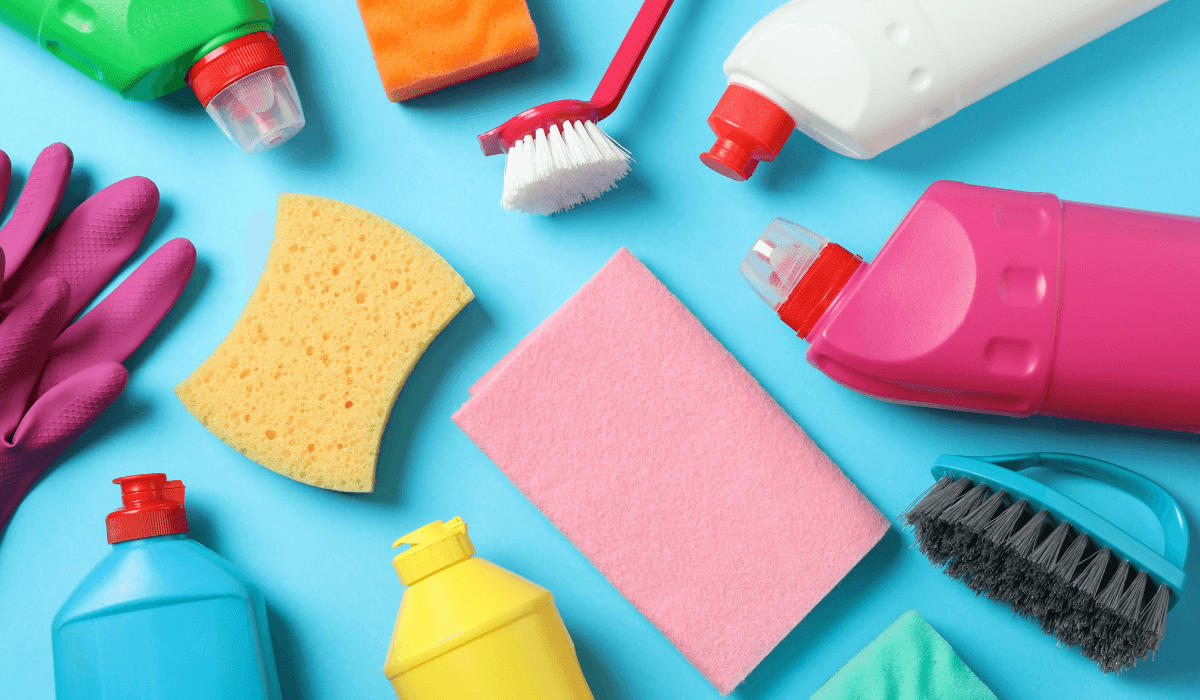
4. Household Cleaning Products & Chemicals
Risk: Many cleaning agents (bleach, ammonia, drain openers, toilet-bowl cleaners, scented detergents) contain caustic or volatile chemicals which, if ingested or inhaled, can burn the mouth/throat and cause internal damage or respiratory distress. Dogs and cats who walk close to surfaces, lick paws, or explore cleaning containers are especially vulnerable.
Prevention:
Store all cleaning supplies in locked cabinets or high shelves.
Keep pets out of the room while using strong cleaners; ensure surfaces are fully dry and ventilated before letting them return.
Consider using pet-friendly cleaning agents (fragrance-free, low volatile compounds).
Regularly check for leaks/spills (e.g., under sinks).
A 2025 study found that dogs exposed to combinations of household chemicals (flame retardants, phthalates) had higher incidence of bladder cancers.¹ This signals broader concern beyond acute ingestion—cumulative exposure matters.
Emergency tip: If a pet shows drooling, pawing at the mouth, vomiting after cleaning, treat it as urgent and call your vet.
5. Pest-Control Products (Rodenticides, Insecticides, Slug/Snail Bait)
Risk: Products meant to kill pests are inherently toxic. Since they often use baits, they may appeal to curious pets. Ingestion can cause internal bleeding, kidney failure, seizures, hyperthermia.
Key examples:
Rodenticides (anticoagulant or non-anticoagulant): bleeding disorders in pets
Insecticide sprays/baits: neurological symptoms (tremors, seizures, drooling)
Slug/snail baits (metaldehyde): severe tremors, seizures, hyperthermia
Prevention:
Opt for pet-safe alternatives or electronic traps where possible.
Place bait stations out of reach of pets (and monitor them).
After treatment, monitor pets for any odd behavior.
Emergency tip: If you suspect your pet ingested one of these, time is critical—call your veterinarian or 24-hour animal poison control line immediately.
6. Antifreeze and Automotive/Industrial Fluids
Risk: Many antifreeze formulas contain ethylene glycol, which tastes sweet to animals. Even very small volumes can cause acute kidney failure.² Symptoms may start looking like drunkenness, then progress rapidly.
Prevention:
Keep antifreeze and other automotive fluids locked/contained, not in open containers.
Clean up any spill immediately (even small drips).
Use pet-safe antifreeze alternatives (propylene glycol-based) if available.
Emergency tip: If ingestion is suspected, seek emergency vet care immediately — antidote exists but must be given early.
7. Batteries and Small Electrical Items
Risk: If swallowed or chewed, button-cell batteries, lithium batteries, and toys with batteries can leak caustic substances, get lodged in the esophagus (especially small children/pets), and cause deep tissue burns (sometimes fatal).
Prevention:
Keep unused batteries secured.
Dispose of old batteries safely and immediately.
Don’t leave remote controls, toys, or devices with accessible batteries within pet reach.
Emergency tip: If you believe a battery may have leaked into the mouth/throat, contact the nearest emergency vet immediately.
8. Potpourri, Essential Oils, Fragrance Oils
Risk: Liquid potpourri often contains detergents, essential oils and other compounds that can cause chemical burns if ingested or licked. Dried potpourri may not burn but can cause gastrointestinal upset or obstruction if eaten. Some pet-essential oils (like tea tree, eucalyptus) are also toxic if applied topically or ingested by pets.
Prevention:
Place potpourri bowls out of reach or avoid them altogether in homes with curious pets.
When using essential oils or diffusers, ensure the room is well-ventilated and the pet cannot access the oil.
Choose only pet-safe fragrance/diffuser products, and avoid undiluted oils around pets.
Emergency tip: Any drooling, pawing at mouth, or vomiting after exposure are signs to contact your vet right away.
9. Fabric Softener Sheets, Laundry Pods, Dryer Machines
Risk: The strong scents of dryer sheets may attract pets; if chewed or swallowed, the detergents can cause ulcers in the mouth, stomach irritation, or intestinal blockage.³ Laundry pods are especially dangerous if bitten or punctured.
Prevention:
Store laundry supplies securely, and keep washer & dryer doors closed at all times.
Don’t leave laundry piles on the floor where pets can sample them.
Use pet-safe laundry products (fragrance-free if your pet has respiratory issues).
Emergency tip: Vomiting, drooling, foam from mouth after laundry-product exposure warrants immediate vet attention.
10. Fertilizers, Mulch (especially Cocoa Mulch), Garden Additives
Risk: Many garden maintenance products include chemicals (herbicides, insecticides, iron/chemical-based fertilizers) that can cause GI upset, internal damage, or blockages. Cocoa-shell mulch (commonly used for landscaping) contains theobromine—the same toxic compound in chocolate—and can lead to chocolate-type toxicity in dogs.⁴
Prevention:
Use pet-safe fertilizers and mulches; read labels carefully.
When applying any garden product, keep pets out of the area until safe.
For cocoa-shell mulch: choose alternatives if you have dogs.
Emergency tip: If your pet has been digging and eating mulch/fertilizer, bring the product label or container to the vet—it may impact treatment.
Emerging Risks & Considerations
Cumulative chemical exposure: As mentioned, research shows that long-term exposure to household chemicals (flame retardants, phthalates) correlates with increased cancer risk in dogs. Even products not ingested can pose risk via inhalation, grooming, and dust.
New food additives/sweeteners: With rise of keto, sugar-free and “natural” snacks, owners should be alert for ingredients like xylitol, alternative sweeteners, nuts, seeds that may be unsafe for pets.
Cannabis products: With legalization in many states, pet exposures to edibles or oils are increasing; these can cause neurologic effects and are often under-reported.
Remote work and human-pet interaction: Because more people are home with their pets, access to countertops, bags, open packages increases. The “accident window” may be larger.
Climate/seasonal variation: With more pets indoors (via heat, smoke, wildfires), they may spend more time near floors, furniture, cleaning supplies, increasing risk of exposure.
What to Do in an Emergency
Act quickly, but stay calm. Time often matters.
Gather information: What was ingested (or suspected), how much, when, type of animal, weight of pet, any symptoms.
Call your veterinarian or emergency clinic immediately with details. Many vets have 24-hour services or can refer to an emergency facility.
Do not attempt to treat at home (e.g., induce vomiting) unless instructed by a vet. Some substances make vomiting unsafe.
Bring the packaging or product container—ingredients and quantity help the vet determine treatment.
Follow up on preventive measures: After the episode, reassess your home environment to block off the hazard and prevent recurrence.
Pet-proofing your home is not just about securing trash cans or hiding cords. It’s about understanding that many everyday items—from plants and foods to cleaning supplies and garden products—can pose serious risks to your animals. By staying informed, storing hazardous items out of reach, choosing pet-safe alternatives, and responding promptly when accidents occur, you’ll significantly reduce the chance of an emergency.
Protect your pet—and your peace of mind
Discover how affordable, flexible coverage can help you handle unexpected veterinary costs.