What's your after-hours booking worth? Try the ROI Calculator >
Veterinary Operations Guide
The Official CSR Survival Guide
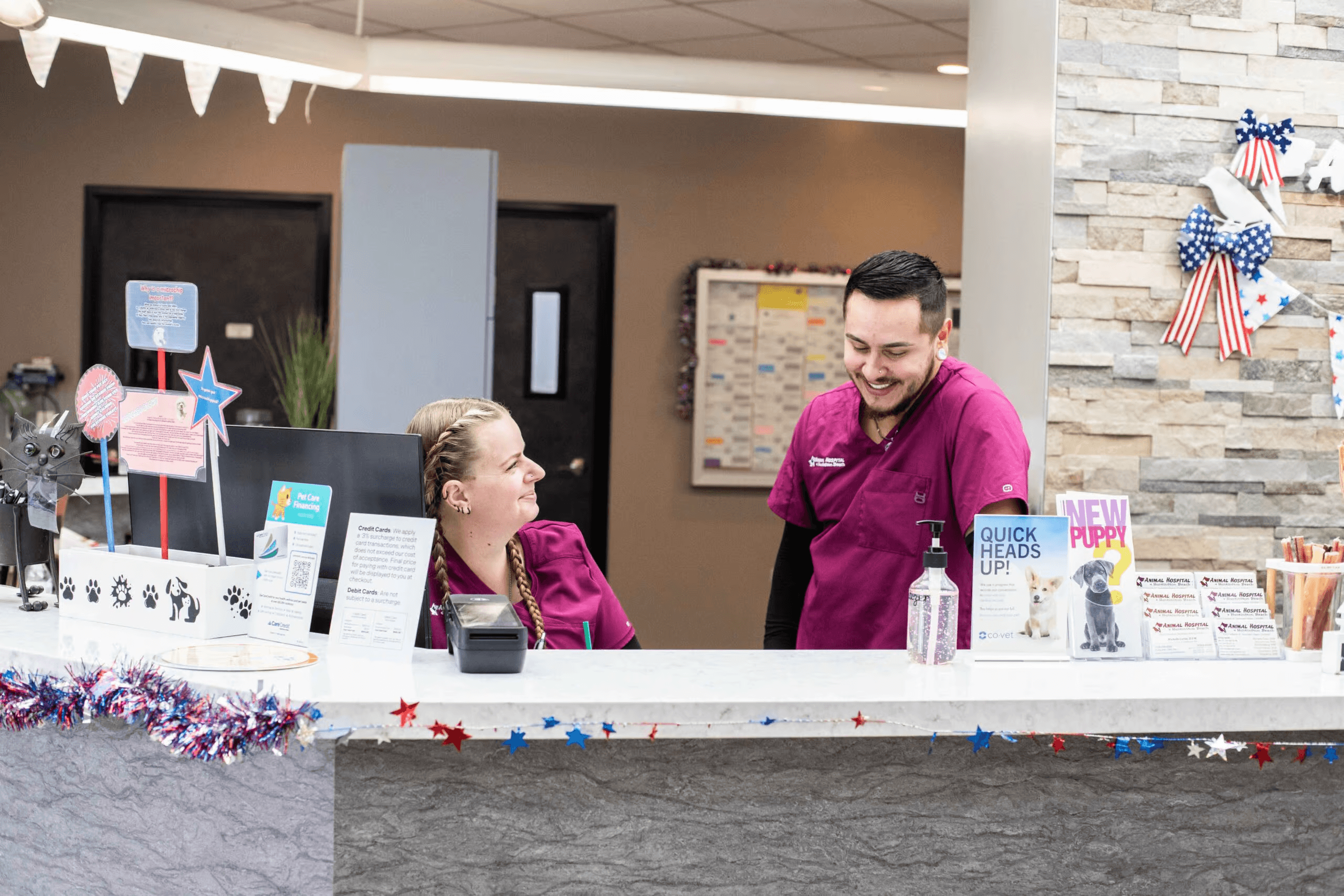
Helpful hints, tips, and ideas to support veterinary front desk superstars
There’s no doubt about it: veterinary clinics are busier than ever.
Pet ownership continues to rise, with research showing that approximately 71% of U.S. households now own pets.1 Meanwhile, veterinary practices across the country face ongoing staffing shortages and persistent burnout among veterinary professionals.
No team feels this pressure more than customer service representatives (CSRs). CSRs are the front line of the practice—handling early morning voicemails, nonstop phone calls, scheduling challenges, client concerns, medical updates, payment conversations, and coordination with every clinical team in the building.
Client touchpoints have doubled or tripled in recent years, while staffing levels have not kept pace. As a result, strong, efficient communication workflows and digital support tools have become more essential than ever before.
This guide provides:
Practical tips to simplify CSR tasks
Digital tools that reduce workload
Strategies to improve client communication and satisfaction
Ways to strengthen operational efficiency across the entire appointment lifecycle
The goal is simple: empower CSRs to work smarter so clients feel cared for, patients receive great support, and staff experience less stress.
Three things to prioritize to work smarter at the front desk
1. Gather complete contact information
Accurate contact information is the foundation for all efficient client communication. Without mobile numbers and emails, CSRs get trapped in time-consuming voicemail loops and unnecessary phone tag.
Make it standard protocol to collect:
Primary mobile phone number
Email address
Additional contacts, if applicable
Modern tools depend on this information. For example:
Online booking tools such as PetDesk Direct Booking automatically send confirmations, reminders, and pre-visit instructions via text and email.
Veterinary phone systems like PetDesk Phones use accurate phone numbers to pull up client and patient information automatically when calls come in.
Educate clients on why this matters, including:
Faster updates about their pet
Appointment reminders
Safety alerts
Educational materials
Promotions or important announcements
Efficient two-way communication
Clients don’t always understand the operational benefits, so CSRs must communicate them.
2. Focus on the client experience
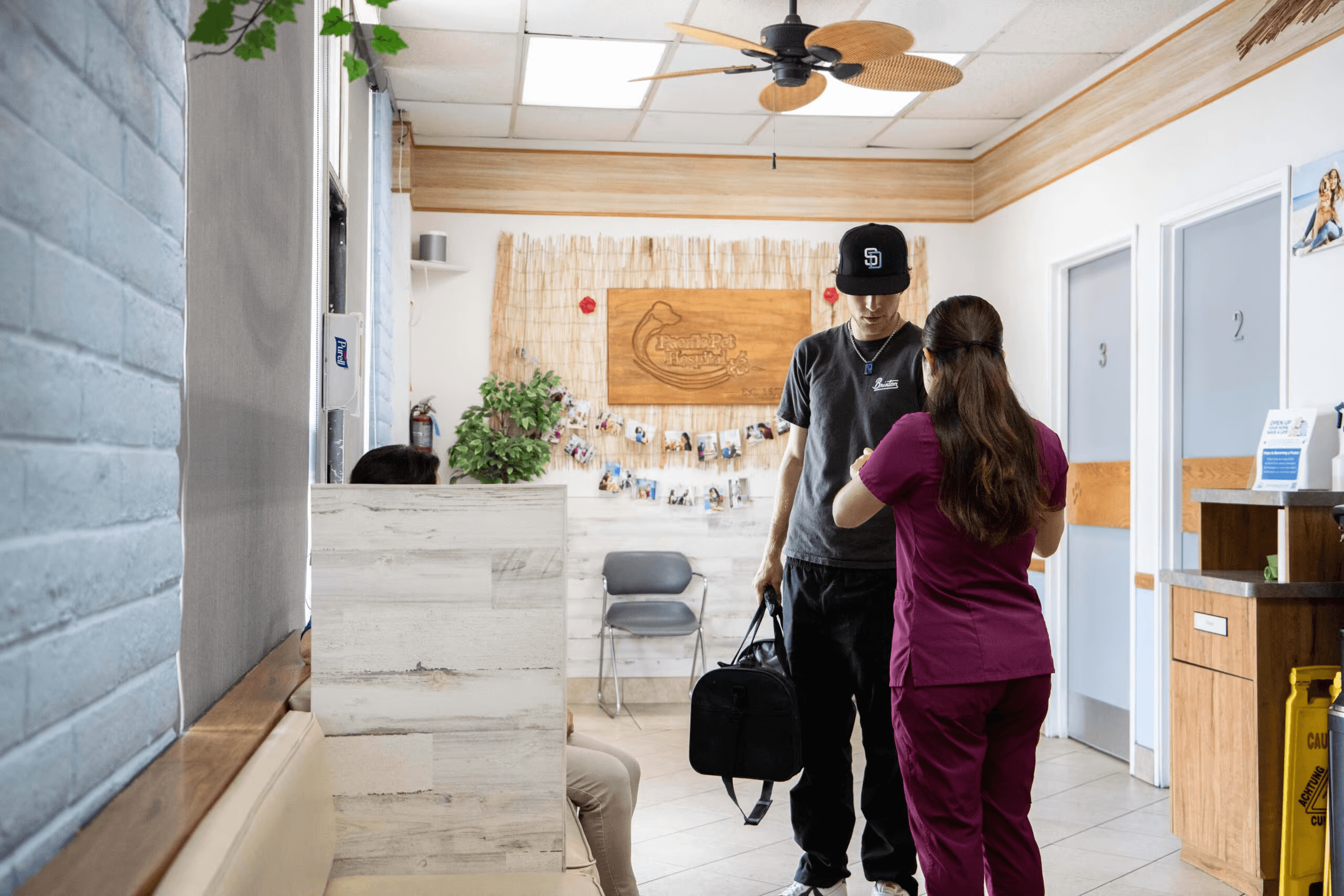
Improving the client experience ultimately reduces your team’s workload.
When clients can self-serve by booking appointments through direct online booking software, review instructions on your website, or receive reminders automatically, they rely less on front-desk staff. Every piece of clarity you provide up early on saves multiple follow-up calls later.
Key elements that shape a strong client experience:
Greeting clients and pets by name
Identifying clients quickly (appearance, pet breed, or booking details)
Exhibiting patience and empathy
Observing emotional cues and body language
Keeping the lobby clean and calm
Making genuine, warm connections beyond the basics
Complement these interpersonal skills with digital convenience. When clients understand your workflows and have alternative communication paths (online scheduling or booking, texting, automated updates), they feel informed and supported.
3. Choose the right communication channel
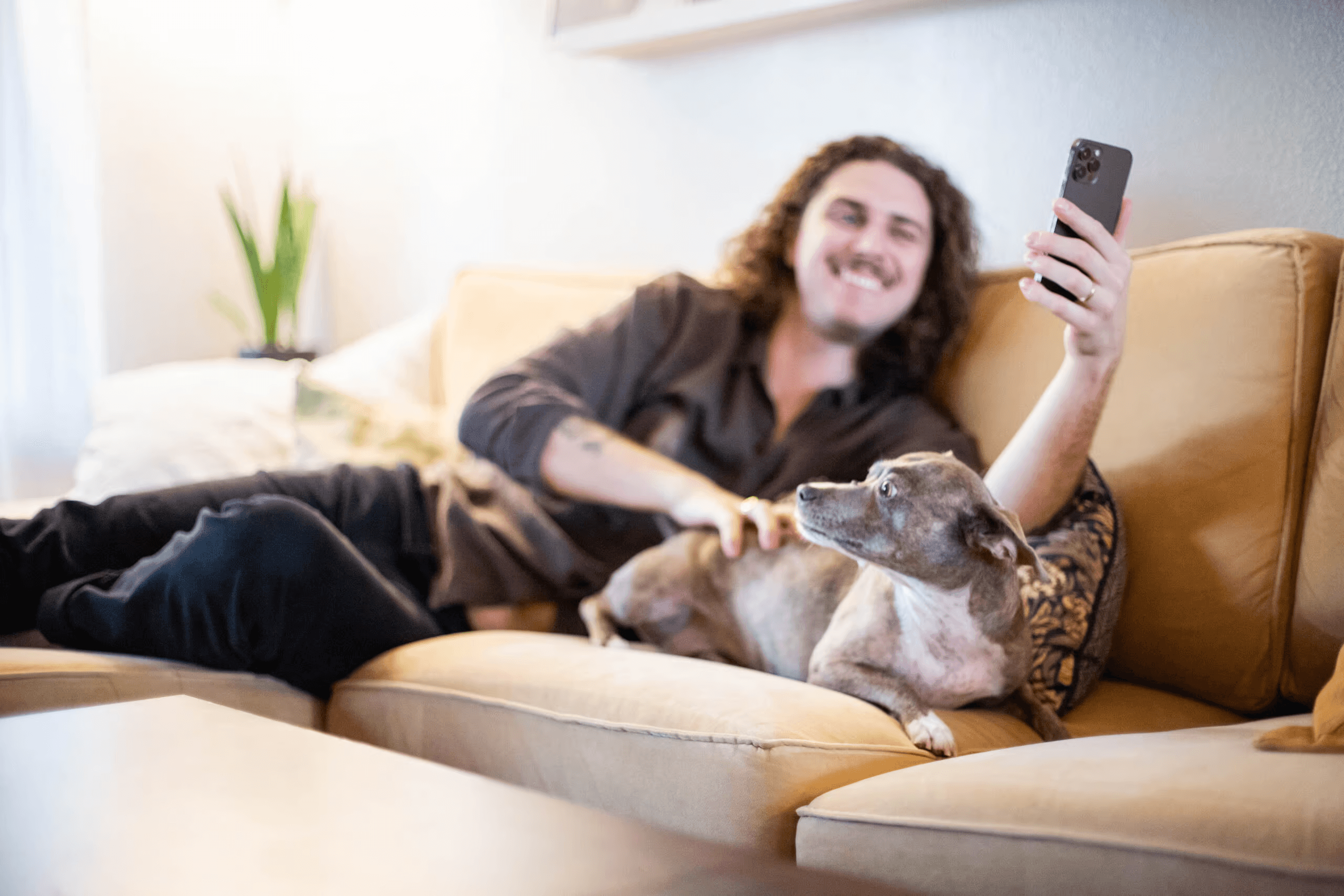
Clients rarely think about the communication channel—only whether the method is convenient for them. CSRs must determine the best channel for each type of communication.
Use texting, email, phone, and in-app tools strategically:
Text: Quick updates, logistics, routine questions, non-sensitive info
Email: Detailed documents, summaries, resources, mass messages
Phone: Sensitive discussions, escalations, financial questions, emotional conversations
Self-service tools: Routine scheduling via online booking software
Veterinary-specific phone systems that sync with your PIMS enhance your ability to triage calls quickly by showing client details as soon as the phone rings. This helps CSRs determine whether a conversation should continue by phone, or transition to text or email.
Every call or message should be directed to the most efficient channel—not the most familiar one.
Digital channels: what to know
Modern veterinary communication blends human connection with digital efficiency.
Below are the core digital channels CSRs should master.
"/><stop offset="1" stop-color="rgb(159, 46, 252)"/></linearGradient></defs><path d="M 13.333 6.667 C 13.333 2.985 10.349 0 6.667 0 C 2.985 0 0 2.985 0 6.667 C 0 7.762 0.265 8.82 0.763 9.767 L 0.019 12.627 C -0.005 12.722 -0.005 12.822 0.021 12.918 C 0.047 13.013 0.097 13.1 0.167 13.169 C 0.237 13.239 0.324 13.29 0.419 13.316 C 0.514 13.341 0.614 13.342 0.71 13.317 L 3.57 12.573 C 4.525 13.074 5.588 13.335 6.667 13.333 C 10.349 13.333 13.333 10.349 13.333 6.667 Z" fill="url(%23U1LqxRZHk-3764596831-linear-gradient)" height="13.335441386109117px" id="U1LqxRZHk" transform="translate(1.333 1.333)" width="13.333320000000004px"/></svg>)
Two-way texting
Two-way texting is now widely used across veterinary hospitals to simplify logistics and improve real-time coordination. It’s ideal for quick, straightforward communication.
Why texting works:
Clients and staff can respond when time allows
Reduces interruptions
Minimizes hold times
Shortens front-desk bottlenecks
Improves clarity
Reduces phone traffic and voicemail volume
Uses:
Notify clients their room is ready
Share negative or routine test results
Send surgery or dental photos
Reschedule appointments
Text invoices or payment links
Triage non-urgent questions
Ask for quick status updates on medications or symptoms
Tips:
Verify the correct mobile number
Keep messages clear and friendly
Proofread before sending
Use templates to save time
Stay concise—readability matters
Set expectations on what info you need back
Texting pairs seamlessly with online booking software like PetDesk Direct Booking and supports the workflows that veterinary-specific phone systems, such as PetDesk Phones, help manage.
"/><stop offset="1" stop-color="rgb(159, 46, 252)"/></linearGradient></defs><path d="M 13.333 3.072 L 13.333 8.5 C 13.333 9.053 13.122 9.586 12.742 9.988 C 12.361 10.39 11.842 10.632 11.289 10.663 L 11.167 10.667 L 2.167 10.667 C 1.613 10.667 1.081 10.455 0.679 10.075 C 0.276 9.695 0.035 9.175 0.003 8.623 L 0 8.5 L 0 3.072 L 6.435 6.443 C 6.506 6.48 6.586 6.5 6.667 6.5 C 6.747 6.5 6.827 6.48 6.899 6.443 Z M 2.167 0 L 11.167 0 C 11.704 0 12.222 0.199 12.62 0.56 C 13.018 0.92 13.269 1.415 13.323 1.949 L 6.667 5.436 L 0.011 1.949 C 0.062 1.436 0.295 0.958 0.668 0.602 C 1.04 0.245 1.528 0.033 2.043 0.003 Z" fill="rgb(35, 35, 42)" height="10.666639870547852px" id="FB1aDmCJU" transform="translate(1.333 2.667)" width="13.333336000000054px"/><path d="M 13.333 3.072 L 13.333 8.5 C 13.333 9.053 13.122 9.586 12.742 9.988 C 12.361 10.39 11.842 10.632 11.289 10.663 L 11.167 10.667 L 2.167 10.667 C 1.613 10.667 1.081 10.455 0.679 10.075 C 0.276 9.695 0.035 9.175 0.003 8.623 L 0 8.5 L 0 3.072 L 6.435 6.443 C 6.506 6.48 6.586 6.5 6.667 6.5 C 6.747 6.5 6.827 6.48 6.899 6.443 Z M 2.167 0 L 11.167 0 C 11.704 0 12.222 0.199 12.62 0.56 C 13.018 0.92 13.269 1.415 13.323 1.949 L 6.667 5.436 L 0.011 1.949 C 0.062 1.436 0.295 0.958 0.668 0.602 C 1.04 0.245 1.528 0.033 2.043 0.003 Z" fill="url(%23Nu6nwtqN6-2701429897-linear-gradient)" height="10.666639870547852px" id="Nu6nwtqN6" transform="translate(1.333 2.667)" width="13.333336000000054px"/></svg>)
Email remains a strong channel for long-form content, educational materials, and mass outreach.
Uses:
Discharge instructions
Disease or medication handouts
Financial or insurance resources
Receipts
Seasonal reminders or promotions
Targeted messaging campaigns
Mass messaging (available through PetDesk Communications) allows you to segment audiences and track performance, making email more impactful.
Tips:
Use professional, branded signatures
Personalize when possible
Keep attachments and downloads simple
Craft specific, compelling subject lines
Do not expect immediate responses
Tell clients if you require action
"/><stop offset="1" stop-color="rgb(159, 46, 252)"/></linearGradient></defs><path d="M 12 3.667 L 12 9.833 C 12 10.408 11.772 10.959 11.365 11.365 C 10.959 11.772 10.408 12 9.833 12 L 2.167 12 C 1.592 12 1.041 11.772 0.635 11.365 C 0.228 10.959 0 10.408 0 9.833 L 0 3.667 Z M 2.833 8 C 2.612 8 2.4 8.088 2.244 8.244 C 2.088 8.4 2 8.612 2 8.833 C 2 9.054 2.088 9.266 2.244 9.423 C 2.4 9.579 2.612 9.667 2.833 9.667 C 3.054 9.667 3.266 9.579 3.423 9.423 C 3.579 9.266 3.667 9.054 3.667 8.833 C 3.667 8.612 3.579 8.4 3.423 8.244 C 3.266 8.088 3.054 8 2.833 8 Z M 6 8 C 5.779 8 5.567 8.088 5.411 8.244 C 5.254 8.4 5.167 8.612 5.167 8.833 C 5.167 9.054 5.254 9.266 5.411 9.423 C 5.567 9.579 5.779 9.667 6 9.667 C 6.221 9.667 6.433 9.579 6.589 9.423 C 6.746 9.266 6.833 9.054 6.833 8.833 C 6.833 8.612 6.746 8.4 6.589 8.244 C 6.433 8.088 6.221 8 6 8 Z M 2.833 5 C 2.612 5 2.4 5.088 2.244 5.244 C 2.088 5.4 2 5.612 2 5.833 C 2 6.054 2.088 6.266 2.244 6.423 C 2.4 6.579 2.612 6.667 2.833 6.667 C 3.054 6.667 3.266 6.579 3.423 6.423 C 3.579 6.266 3.667 6.054 3.667 5.833 C 3.667 5.612 3.579 5.4 3.423 5.244 C 3.266 5.088 3.054 5 2.833 5 Z M 6 5 C 5.779 5 5.567 5.088 5.411 5.244 C 5.254 5.4 5.167 5.612 5.167 5.833 C 5.167 6.054 5.254 6.266 5.411 6.423 C 5.567 6.579 5.779 6.667 6 6.667 C 6.221 6.667 6.433 6.579 6.589 6.423 C 6.746 6.266 6.833 6.054 6.833 5.833 C 6.833 5.612 6.746 5.4 6.589 5.244 C 6.433 5.088 6.221 5 6 5 Z M 9.167 5 C 8.946 5 8.734 5.088 8.577 5.244 C 8.421 5.4 8.333 5.612 8.333 5.833 C 8.333 6.054 8.421 6.266 8.577 6.423 C 8.734 6.579 8.946 6.667 9.167 6.667 C 9.388 6.667 9.6 6.579 9.756 6.423 C 9.912 6.266 10 6.054 10 5.833 C 10 5.612 9.912 5.4 9.756 5.244 C 9.6 5.088 9.388 5 9.167 5 Z M 9.833 0 C 10.408 0 10.959 0.228 11.365 0.635 C 11.772 1.041 12 1.592 12 2.167 L 12 2.667 L 0 2.667 L 0 2.167 C 0 1.592 0.228 1.041 0.635 0.635 C 1.041 0.228 1.592 0 2.167 0 Z" fill="url(%23TfvRDRSoH-263437187-linear-gradient)" height="12.000000123535166px" id="TfvRDRSoH" transform="translate(2 2)" width="12px"/></svg>)
Integrating online booking software
Direct online booking software is a core tool for reducing CSR workload. It enables pet parents to schedule routine appointments online without needing to call the practice.
Benefits:
Reduces inbound scheduling calls
Eliminates scheduling back-and-forth
Increases appointment accuracy
Automates confirmations and reminders
Prepares clients with visit instructions and forms
Fills gaps in the schedule with real-time availability
When to recommend it to clients:
Wellness appointments
Vaccine boosters
Follow-ups
Progress exams
Technician appointments (as appropriate)
CSRs should direct clients to book routine appointments online whenever possible to reserve phone capacity for complex or urgent needs.
"/><stop offset="1" stop-color="rgb(159, 46, 252)"/></linearGradient></defs><path d="M 1.575 0.293 L 2.293 0.063 C 2.965 -0.151 3.683 0.196 3.971 0.875 L 4.545 2.227 C 4.795 2.815 4.656 3.508 4.202 3.939 L 2.94 5.137 C 3.018 5.855 3.259 6.561 3.663 7.255 C 4.047 7.927 4.562 8.515 5.177 8.985 L 6.694 8.479 C 7.269 8.287 7.895 8.508 8.247 9.026 L 9.069 10.233 C 9.479 10.835 9.405 11.666 8.897 12.177 L 8.351 12.724 C 7.809 13.269 7.034 13.467 6.317 13.243 C 4.624 12.715 3.068 11.147 1.648 8.541 C 0.226 5.929 -0.276 3.714 0.143 1.895 C 0.319 1.13 0.864 0.52 1.576 0.293" fill="url(%23mbirR6B_S-2135958-linear-gradient)" height="13.333209432522748px" id="mbirR6B_S" transform="translate(3.607 1.333)" width="9.33346852423119px"/></svg>)
Integrating veterinary-specific phone systems
Veterinary-specific phone systems transform the call-handling experience by giving CSRs context instantly.
As soon as the phone rings, you’ll see:
Client name
Patient name(s)
Appointment history
Reminders due
Communication history
Key notes
Benefits:
Faster, more accurate call handling
Reduced time searching the PIMS
Easier triage for call urgency
Consistent client recognition
More personalized interactions
Shorter hold times
Reduced caller frustration
Optimizing in-clinic appointments
Each stage of the appointment lifecycle—before, during, and after—offers opportunities to reduce bottlenecks and improve communication.
Before the appointment
" height="13.333349999999996px" id="ULa89Y7di" transform="translate(1.333 1.333)" width="13.333340000000021px"/></svg>)
Set expectations early
Create a “What to Expect During Your Visit” section on your website. Include:
Arrival and check-in instructions
Parking guidance
Required forms or documents
Medication refill timelines
Payment expectations
Drop-off availability
Estimated time in the clinic
Pin key instructions on your social channels. CSRs can send links via text to reduce repeated conversations.
" height="13.333349999999996px" id="tnNY_cCEF" transform="translate(2.667 1.333)" width="10.666679999999985px"/></svg>)
Digital forms
Create a “What to Expect During Your Visit” section on your website. Include:
Arrival and check-in instructions
Parking guidance
Required forms or documents
Medication refill timelines
Payment expectations
Drop-off availability
Estimated time in the clinic
Pin key instructions on your social channels. CSRs can send links via text to reduce repeated conversations.
" height="13.333333333333332px" id="Dl0mOv94f" transform="translate(4 1.333)" width="8px"/></svg>)
Mobile-friendly instructions
Send a “day-of” appointment reminder with:
Appointment time
Check-in steps
Items to bring
Early arrival policy
Any required fasting
Parking instructions
This reduces confusion and minimizes last-minute questions.
During the appointment
" height="12.002349857880455px" id="LpU1KvtlB" transform="translate(1.291 2)" width="13.377051803193986px"/></svg>)
Choose the right communication channel
Provide updates based on client preference:
Text updates for wait times or diagnostics
Emails for treatment plans or estimates
Phone calls for sensitive discussions
Photos/videos when appropriate
This hybrid model keeps clients informed without overloading the front desk.
Standardize internal workflows
Support CSRs and technicians with consistent processes:
Intake question checklists
Treatment and communication templates
Status notifications (checked in → exam → doctor → discharge)
A unified messaging platform to reduce back-and-forth
PetDesk Phones helps prevent a chaotic call flow by providing immediate context when pet parents call back for updates.
After the appointment
Test results
Negative/routine results → text or email
Sensitive results → phone call
Avoid voicemail tag by texting the client to request a call time
Progress checks
Automated or semi-automated options include:
Day-after medication follow-ups
Three-day symptom checks
Photo requests for wounds or dermatology
Chronic disease monitoring questionnaires
Automatic reminders for rechecks
This reduces inbound questions and improves patient outcomes.
Strategic considerations for your practice
Easing day-to-day operations in veterinary clinics requires looking closely at three critical areas:
scheduling, documentation, and follow-ups. Each of these categories holds opportunities to reduce friction, improve patient care, and drive clinic growth. By applying automation, smart workflows, and digital tools, practices can run more smoothly while giving staff and clients a better experience.
To keep client communication efficient and sustainable:
Operational bandwidth:
Track cycle-time metrics to reveal bottlenecks.
Generational preferences:
Offer both phone and digital channels, but default to text/email when appropriate.
Client education:
Teach clients how to use online booking, texting, and reminders during onboarding.
Automation and integration:
Ensure texting, reminders, booking, and PIMS sync seamlessly.
Load distribution:
Use digital self-service (like PetDesk Direct Booking) to reduce call volume.
Recommended next steps:
Audit current communication workflows
Promote PetDesk Direct Booking for all routine visits
Implement PetDesk Phones for faster, more contextual call handling
Update your website with a clear visit walkthrough
Create mobile-friendly digital forms
Standardize messaging templates across email, text, and phone
Pilot expanded digital follow-ups (start with surgeries or dermatology)
Train CSRs and technicians on choosing the right channel
Develop internal rules for when to text vs. call
Track key metrics to measure improvements
Where PetDesk can help
PetDesk Communications: Rule-based scheduling flows let clinics control appointment types, durations, and provider assignments while still giving clients the freedom to book online. With links available from your website, Google Business profile, or marketing campaigns, you’ll be ready to capture more appointments 24/7 without phone calls.
PetDesk Direct Booking: Structured SOAP notes and user-friendly client summaries help to simplify documentation and improve understanding for pet parents. This not only accelerates the note-taking process but also helps to secure missed revenue from overlooked services or medications. Plus, PetDesk has the veterinary solutions you need to support the full client journey—not just isolated features.
PetDesk Phones: Automated follow-ups, user-friendly forms for easy record management, and prescription refill reminders keep pet parents engaged before, during, and after the visit. Automating these touchpoints helps clinics improve treatment compliance and strengthen client loyalty, without creating extra work for staff.
42% of pet parents say they’ve never received reminders about
appointments and vaccines from their vet, risking no-shows and
lost revenue.