Scribe now knows your schedule. Just tap and talk! Learn more >

Veterinary Software Guide

Best veterinary software for feline-only clinics: what actually works in 2026
The case for software that understands cat-specific veterinary practice

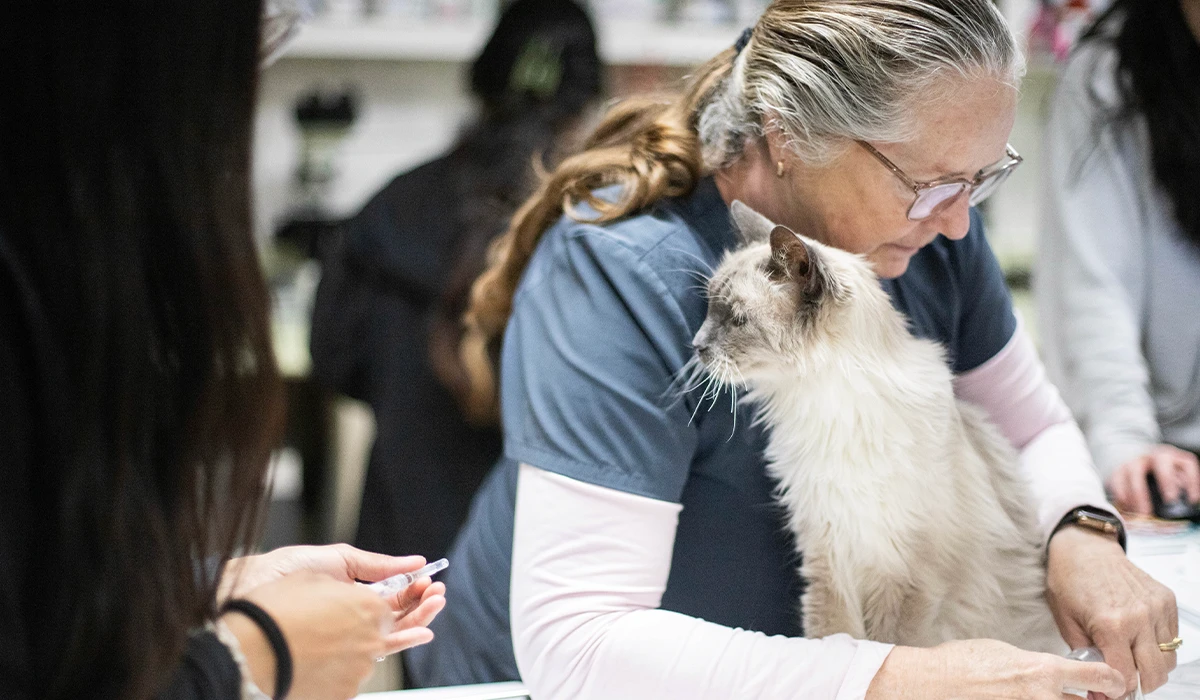
Cat-only clinics exist because cats aren't small dogs—and their owners know it. The low-stress handling protocols, the feline-only waiting environment, the specific way cat owners think about veterinary care and communication: these aren't marketing differentiators. They're clinical decisions that shape everything from how the practice is laid out to how appointments are scheduled.

The software decisions that follow from those clinical commitments are real. Low-stress handling protocols require appointment scheduling that builds in decompression time—something a standard 15-minute appointment block doesn't accommodate. Feline owners communicate differently than dog owners; they're often more research-oriented, more cautious about product recommendations, and more responsive to educational content in reminders and follow-up messages. And the species-specific nature of cat medicine means some of the reminder templates and health risk messaging that general practice software produces by default simply isn't relevant.

PetDesk's 2025 Pet Parent Research Report explains that 52% of pet parents rank 'good technology' as a top-three factor when choosing a veterinarian. For feline-only clinics that have differentiated their practice on the quality of the experience they provide, the digital experience outside the clinic—how owners book, receive reminders, and communicate—should reflect the same care as the in-clinic experience.

Here's what to look for, and which tools are worth evaluating for feline-only practices in 2026.

Looking for a broader framework on how to approach the buying decision? Our guide to choosing veterinary software covers the full evaluation process.

What feline-only clinics need from software

Appointment scheduling that supports low-stress protocols.

Fear-free and low-stress handling protocols require appointment blocks that don't rush cats or stack anxious feline patients back-to-back in the waiting area. Scheduling tools need to support longer appointment blocks for specific procedure types, buffer time between appointments, and check-in workflows that minimize cat-to-cat contact. Some practices use sequential check-in or separate wait areas—the scheduling system needs to support that logic.

Cat-owner communication preferences.

Cat owners, as a group, skew toward higher engagement with written content, educational materials, and detailed health explanations than the average companion animal owner. Communication tools that support rich messaging—health education content in reminders, detailed post-visit summaries, species-specific health alerts—align with how the feline-focused client base prefers to receive information.

Feline-specific reminder content and cadences.

Cat vaccination schedules, parasite prevention protocols, and life-stage health monitoring differ from canine protocols. Reminder systems that require significant customization to produce cat-specific messaging—or that default to dog-oriented health reminders—create unnecessary work for clinical staff. Species-specific templates or easy customization of reminder content are worth prioritizing.

Anxious-patient workflow support.

Many feline patients require modified handling and exam protocols. Software that supports clinical notes specifically about handling preferences, anxious-patient flags, and protocol variations—visible to all staff before the appointment begins—reduces stress for patients and staff alike.

The software feline-only clinics are using

For feline-only clinics focused on the client communication layer, PetDesk's communication tools handle the appointment-scheduling, reminder, and messaging needs of a cat-focused practice effectively—particularly its two-way texting capability, which aligns with how cat owners tend to prefer communicating. The ability to customize reminder content means feline-specific messaging (age-appropriate health monitoring reminders, dental health prompts for older cats) can be configured without overhauling a standard template.

Best for: Feline-only clinics that want to reduce phone volume, improve reminder compliance, and give cat owners a modern booking and communication experience without replacing their existing PIMS.

Rating: G2: 4.6/5 | Capterra: 4.7/5 | 12,000+ practices

Pricing: Not publicly listed

Key strengths:

  • Highly configurable reminder content. Feline-specific messaging can be set up without starting from a dog-oriented default.

  • Two-way texting aligns with the communication preferences of engaged cat parents who prefer written over phone contact.

  • Online booking with appointment-type controls lets the practice restrict certain procedure types from self-scheduling—supporting the intake workflow that low-stress protocols require.

  • Pet parent app with health records, reminders, and messaging in one place. Used by 7 million pet parents, many of whom have cats.

Worth knowing: PetDesk is a communication and booking platform, not a PIMS. Feline-specific clinical record customization—handling flags, species-specific templates, anxious-patient protocols—lives in the PIMS layer, not in PetDesk. Configuration of truly feline-specific reminder content requires setup work; it doesn't automatically apply species-specific logic without customization.

For feline-only clinics focused on the client communication layer, PetDesk's communication tools handle the appointment-scheduling, reminder, and messaging needs of a cat-focused practice effectively—particularly its two-way texting capability, which aligns with how cat owners tend to prefer communicating. The ability to customize reminder content means feline-specific messaging (age-appropriate health monitoring reminders, dental health prompts for older cats) can be configured without overhauling a standard template.

Best for: Feline-only clinics that want to reduce phone volume, improve reminder compliance, and give cat owners a modern booking and communication experience without replacing their existing PIMS.

Rating: G2: 4.6/5 | Capterra: 4.7/5 | 12,000+ practices

Pricing: Not publicly listed

Key strengths:

  • Highly configurable reminder content. Feline-specific messaging can be set up without starting from a dog-oriented default.

  • Two-way texting aligns with the communication preferences of engaged cat parents who prefer written over phone contact.

  • Online booking with appointment-type controls lets the practice restrict certain procedure types from self-scheduling—supporting the intake workflow that low-stress protocols require.

  • Pet parent app with health records, reminders, and messaging in one place. Used by 7 million pet parents, many of whom have cats.

Worth knowing: PetDesk is a communication and booking platform, not a PIMS. Feline-specific clinical record customization—handling flags, species-specific templates, anxious-patient protocols—lives in the PIMS layer, not in PetDesk. Configuration of truly feline-specific reminder content requires setup work; it doesn't automatically apply species-specific logic without customization.

For feline-only clinics focused on the client communication layer, PetDesk's communication tools handle the appointment-scheduling, reminder, and messaging needs of a cat-focused practice effectively—particularly its two-way texting capability, which aligns with how cat owners tend to prefer communicating. The ability to customize reminder content means feline-specific messaging (age-appropriate health monitoring reminders, dental health prompts for older cats) can be configured without overhauling a standard template.

Best for: Feline-only clinics that want to reduce phone volume, improve reminder compliance, and give cat owners a modern booking and communication experience without replacing their existing PIMS.

Rating: G2: 4.6/5 | Capterra: 4.7/5 | 12,000+ practices

Pricing: Not publicly listed

Key strengths:

  • Highly configurable reminder content. Feline-specific messaging can be set up without starting from a dog-oriented default.

  • Two-way texting aligns with the communication preferences of engaged cat parents who prefer written over phone contact.

  • Online booking with appointment-type controls lets the practice restrict certain procedure types from self-scheduling—supporting the intake workflow that low-stress protocols require.

  • Pet parent app with health records, reminders, and messaging in one place. Used by 7 million pet parents, many of whom have cats.

Worth knowing: PetDesk is a communication and booking platform, not a PIMS. Feline-specific clinical record customization—handling flags, species-specific templates, anxious-patient protocols—lives in the PIMS layer, not in PetDesk. Configuration of truly feline-specific reminder content requires setup work; it doesn't automatically apply species-specific logic without customization.

Shepherd's clinician-designed workflow—where the medical record and invoice are built simultaneously—translates well to feline practice, where thorough documentation is the norm and the ability to record detailed exam findings without a separate billing step matters. Its cloud-native design means records are accessible between appointments and during follow-up calls without a clinic-based server dependency.

Best for: Feline-only clinics that are ready to move off legacy PIMS software and want a modern, intuitive cloud PIMS that supports thorough clinical documentation.

Rating: Capterra: 4.7/5

Pricing: ~$299/month per veterinarian

Key strengths:

  • Simultaneous record and invoice build reduces documentation overhead for clinical staff who take detailed notes.

  • Flexible appointment type configuration supports longer blocks and buffer time for low-stress handling protocols.

  • Cloud-native architecture with browser-based access for records at any location.

Worth knowing: Shepherd's integration ecosystem is still developing, and feline-specific clinical templates require configuration rather than being available out of the box. For practices with complex financial workflows or advanced reporting needs, its reporting capabilities are more limited than legacy PIMS options.

Shepherd's clinician-designed workflow—where the medical record and invoice are built simultaneously—translates well to feline practice, where thorough documentation is the norm and the ability to record detailed exam findings without a separate billing step matters. Its cloud-native design means records are accessible between appointments and during follow-up calls without a clinic-based server dependency.

Best for: Feline-only clinics that are ready to move off legacy PIMS software and want a modern, intuitive cloud PIMS that supports thorough clinical documentation.

Rating: Capterra: 4.7/5

Pricing: ~$299/month per veterinarian

Key strengths:

  • Simultaneous record and invoice build reduces documentation overhead for clinical staff who take detailed notes.

  • Flexible appointment type configuration supports longer blocks and buffer time for low-stress handling protocols.

  • Cloud-native architecture with browser-based access for records at any location.

Worth knowing: Shepherd's integration ecosystem is still developing, and feline-specific clinical templates require configuration rather than being available out of the box. For practices with complex financial workflows or advanced reporting needs, its reporting capabilities are more limited than legacy PIMS options.

Shepherd's clinician-designed workflow—where the medical record and invoice are built simultaneously—translates well to feline practice, where thorough documentation is the norm and the ability to record detailed exam findings without a separate billing step matters. Its cloud-native design means records are accessible between appointments and during follow-up calls without a clinic-based server dependency.

Best for: Feline-only clinics that are ready to move off legacy PIMS software and want a modern, intuitive cloud PIMS that supports thorough clinical documentation.

Rating: Capterra: 4.7/5

Pricing: ~$299/month per veterinarian

Key strengths:

  • Simultaneous record and invoice build reduces documentation overhead for clinical staff who take detailed notes.

  • Flexible appointment type configuration supports longer blocks and buffer time for low-stress handling protocols.

  • Cloud-native architecture with browser-based access for records at any location.

Worth knowing: Shepherd's integration ecosystem is still developing, and feline-specific clinical templates require configuration rather than being available out of the box. For practices with complex financial workflows or advanced reporting needs, its reporting capabilities are more limited than legacy PIMS options.

ezyVet's configurability makes it viable for feline-only clinics that want to build highly specific appointment templates, handling protocols, and reminder sequences for their patient population. Practices that have grown significantly or operate multiple feline-only locations will find ezyVet's multi-location and reporting capabilities valuable in ways that lighter PIMS options don't match.

Best for: Larger feline-only practices or multi-location cat clinics that need a cloud PIMS with deep configurability and reporting capabilities.

Rating: Capterra: 4.6/5

Pricing: ~$245/month per veterinarian

Key strengths:

  • Highly configurable appointment templates and reminder sequences. Feline-specific clinical workflows can be built with sufficient setup.

  • Strong multi-location support if the practice has expanded or plans to expand.

  • Reporting depth that supports data-driven operational decisions for established practices.

Worth knowing: ezyVet's learning curve is the consistent complaint from users across practice types. For a feline clinic whose staff values calm, efficient workflows, an implementation period that's longer and more technically demanding than alternatives may not align with the practice culture. Worth evaluating seriously for larger or multi-location feline practices, but not the obvious first choice for a single-location cat clinic.

ezyVet's configurability makes it viable for feline-only clinics that want to build highly specific appointment templates, handling protocols, and reminder sequences for their patient population. Practices that have grown significantly or operate multiple feline-only locations will find ezyVet's multi-location and reporting capabilities valuable in ways that lighter PIMS options don't match.

Best for: Larger feline-only practices or multi-location cat clinics that need a cloud PIMS with deep configurability and reporting capabilities.

Rating: Capterra: 4.6/5

Pricing: ~$245/month per veterinarian

Key strengths:

  • Highly configurable appointment templates and reminder sequences. Feline-specific clinical workflows can be built with sufficient setup.

  • Strong multi-location support if the practice has expanded or plans to expand.

  • Reporting depth that supports data-driven operational decisions for established practices.

Worth knowing: ezyVet's learning curve is the consistent complaint from users across practice types. For a feline clinic whose staff values calm, efficient workflows, an implementation period that's longer and more technically demanding than alternatives may not align with the practice culture. Worth evaluating seriously for larger or multi-location feline practices, but not the obvious first choice for a single-location cat clinic.

ezyVet's configurability makes it viable for feline-only clinics that want to build highly specific appointment templates, handling protocols, and reminder sequences for their patient population. Practices that have grown significantly or operate multiple feline-only locations will find ezyVet's multi-location and reporting capabilities valuable in ways that lighter PIMS options don't match.

Best for: Larger feline-only practices or multi-location cat clinics that need a cloud PIMS with deep configurability and reporting capabilities.

Rating: Capterra: 4.6/5

Pricing: ~$245/month per veterinarian

Key strengths:

  • Highly configurable appointment templates and reminder sequences. Feline-specific clinical workflows can be built with sufficient setup.

  • Strong multi-location support if the practice has expanded or plans to expand.

  • Reporting depth that supports data-driven operational decisions for established practices.

Worth knowing: ezyVet's learning curve is the consistent complaint from users across practice types. For a feline clinic whose staff values calm, efficient workflows, an implementation period that's longer and more technically demanding than alternatives may not align with the practice culture. Worth evaluating seriously for larger or multi-location feline practices, but not the obvious first choice for a single-location cat clinic.

For feline-only clinics already running Cornerstone, the switching argument is the same as for any practice on legacy PIMS: is the pain of staying greater than the disruption of migrating? Cornerstone's IDEXX diagnostic integration and large installed base are genuine advantages for established practices. For those evaluating fresh in 2026, the on-premise architecture and remote access limitations are meaningful constraints.

Best for: Feline-only clinics already established on Cornerstone with IDEXX diagnostic workflows and no urgent pressure to migrate.

Rating: Capterra: 4/5

Pricing: ~$420/month + server costs

Key strengths:

  • IDEXX diagnostics integration is particularly relevant for feline practices that run frequent in-house labwork as part of senior wellness programs.

  • A large installed base means experienced staff and available consultants are familiar with the platform.

Worth knowing: Server-based architecture with no native remote access. Several years of user reviews describe performance issues and an interface that's lagged behind cloud alternatives. For new feline clinics evaluating software for the first time, cloud-native options are worth prioritizing.

For feline-only clinics already running Cornerstone, the switching argument is the same as for any practice on legacy PIMS: is the pain of staying greater than the disruption of migrating? Cornerstone's IDEXX diagnostic integration and large installed base are genuine advantages for established practices. For those evaluating fresh in 2026, the on-premise architecture and remote access limitations are meaningful constraints.

Best for: Feline-only clinics already established on Cornerstone with IDEXX diagnostic workflows and no urgent pressure to migrate.

Rating: Capterra: 4/5

Pricing: ~$420/month + server costs

Key strengths:

  • IDEXX diagnostics integration is particularly relevant for feline practices that run frequent in-house labwork as part of senior wellness programs.

  • A large installed base means experienced staff and available consultants are familiar with the platform.

Worth knowing: Server-based architecture with no native remote access. Several years of user reviews describe performance issues and an interface that's lagged behind cloud alternatives. For new feline clinics evaluating software for the first time, cloud-native options are worth prioritizing.

For feline-only clinics already running Cornerstone, the switching argument is the same as for any practice on legacy PIMS: is the pain of staying greater than the disruption of migrating? Cornerstone's IDEXX diagnostic integration and large installed base are genuine advantages for established practices. For those evaluating fresh in 2026, the on-premise architecture and remote access limitations are meaningful constraints.

Best for: Feline-only clinics already established on Cornerstone with IDEXX diagnostic workflows and no urgent pressure to migrate.

Rating: Capterra: 4/5

Pricing: ~$420/month + server costs

Key strengths:

  • IDEXX diagnostics integration is particularly relevant for feline practices that run frequent in-house labwork as part of senior wellness programs.

  • A large installed base means experienced staff and available consultants are familiar with the platform.

Worth knowing: Server-based architecture with no native remote access. Several years of user reviews describe performance issues and an interface that's lagged behind cloud alternatives. For new feline clinics evaluating software for the first time, cloud-native options are worth prioritizing.

Questions worth asking before you decide

Can the scheduling system support longer appointment blocks and buffer time between patients?

Low-stress handling protocols require appointment scheduling logic that doesn't rush transitions. Ask specifically about per-appointment-type duration configuration and whether buffer time between appointments can be enforced in the schedule.

How much customization does the reminder system require to produce species-appropriate content?

Ask the vendor to show you a reminder sequence for a senior cat wellness visit. If the default template requires significant editing to be relevant for a feline patient, that's an ongoing maintenance burden. Some platforms offer species-specific templates natively; others require the practice to build everything from scratch.

Can we flag anxious or handling-modified patients so that flag is visible to all staff before the appointment?

This is a clinical workflow question that's often an afterthought in demos. Ask how handling notes from a previous visit surface when the patient is scheduled for a future appointment.

How does online booking handle appointment types that require phone screening?

Feline-only clinics often don't want every procedure type available for self-scheduling. New patient appointments, anxious-patient exams, and certain procedures may require a brief intake call. Make sure the booking system supports restricting specific appointment types while keeping others open for online booking.

If we wanted to add a second location, how does that change the system and the cost?

The feline specialty clinic segment is growing, and what starts as one location sometimes becomes two. Understand the multi-location story before you commit to a PIMS, even if expansion isn't imminent.

FAQs

Frequently Asked Questions

Do cat-only clinics need different veterinary software than general practices?

Not necessarily different software—but software configured differently. The core PIMS functionality is largely the same; the differences that matter for feline-only practices are in scheduling logic (longer blocks, buffer time for low-stress handling), reminder content (species-specific health messaging), and client communication style (cat owners often prefer written communication over phone). Practices that use general-purpose veterinary software and configure it thoughtfully for feline workflows can serve their clients well. The question is how much configuration work a given platform requires.

How should feline-only clinics structure appointment reminders?

Cat-specific reminder cadences differ from general practice in a few meaningful ways. Dental health reminders for older cats, indoor cat parasite prevention information, senior wellness panel timing, and cat-specific vaccine schedules should drive the reminder logic—not generic multi-species defaults. Practices should also consider that cat owners tend to be more receptive to detailed health education content in reminders than brief, appointment-focused prompts. Two-way texting or messaging that allows a follow-up question keeps engagement higher than one-way reminder blasts.

What do low-stress handling protocols require from scheduling software?

At minimum: the ability to configure longer appointment blocks for specific appointment types (new patient exams, anxious patients), buffer time between appointments to allow the exam room to reset, and a check-in workflow that minimizes time in a shared waiting area. More advanced support includes handling flags on patient records that surface for staff before an appointment begins, and scheduling logic that prevents stacking high-anxiety cases sequentially. Not all PIMS support all of these natively—some require workarounds in the scheduling configuration.

FAQs

Frequently Asked Questions

Do cat-only clinics need different veterinary software than general practices?

Not necessarily different software—but software configured differently. The core PIMS functionality is largely the same; the differences that matter for feline-only practices are in scheduling logic (longer blocks, buffer time for low-stress handling), reminder content (species-specific health messaging), and client communication style (cat owners often prefer written communication over phone). Practices that use general-purpose veterinary software and configure it thoughtfully for feline workflows can serve their clients well. The question is how much configuration work a given platform requires.

How should feline-only clinics structure appointment reminders?

Cat-specific reminder cadences differ from general practice in a few meaningful ways. Dental health reminders for older cats, indoor cat parasite prevention information, senior wellness panel timing, and cat-specific vaccine schedules should drive the reminder logic—not generic multi-species defaults. Practices should also consider that cat owners tend to be more receptive to detailed health education content in reminders than brief, appointment-focused prompts. Two-way texting or messaging that allows a follow-up question keeps engagement higher than one-way reminder blasts.

What do low-stress handling protocols require from scheduling software?

At minimum: the ability to configure longer appointment blocks for specific appointment types (new patient exams, anxious patients), buffer time between appointments to allow the exam room to reset, and a check-in workflow that minimizes time in a shared waiting area. More advanced support includes handling flags on patient records that surface for staff before an appointment begins, and scheduling logic that prevents stacking high-anxiety cases sequentially. Not all PIMS support all of these natively—some require workarounds in the scheduling configuration.

FAQs

Frequently Asked Questions

Do cat-only clinics need different veterinary software than general practices?

Not necessarily different software—but software configured differently. The core PIMS functionality is largely the same; the differences that matter for feline-only practices are in scheduling logic (longer blocks, buffer time for low-stress handling), reminder content (species-specific health messaging), and client communication style (cat owners often prefer written communication over phone). Practices that use general-purpose veterinary software and configure it thoughtfully for feline workflows can serve their clients well. The question is how much configuration work a given platform requires.

How should feline-only clinics structure appointment reminders?

Cat-specific reminder cadences differ from general practice in a few meaningful ways. Dental health reminders for older cats, indoor cat parasite prevention information, senior wellness panel timing, and cat-specific vaccine schedules should drive the reminder logic—not generic multi-species defaults. Practices should also consider that cat owners tend to be more receptive to detailed health education content in reminders than brief, appointment-focused prompts. Two-way texting or messaging that allows a follow-up question keeps engagement higher than one-way reminder blasts.

What do low-stress handling protocols require from scheduling software?

At minimum: the ability to configure longer appointment blocks for specific appointment types (new patient exams, anxious patients), buffer time between appointments to allow the exam room to reset, and a check-in workflow that minimizes time in a shared waiting area. More advanced support includes handling flags on patient records that surface for staff before an appointment begins, and scheduling logic that prevents stacking high-anxiety cases sequentially. Not all PIMS support all of these natively—some require workarounds in the scheduling configuration.

See how PetDesk fits your practice

12,000+ veterinary practices use PetDesk to reduce front desk workload and give clients a better experience. A demo takes about 30 minutes—we'll show you exactly how it connects to your PIMS.

See how PetDesk fits your practice

12,000+ veterinary practices use PetDesk to reduce front desk workload and give clients a better experience. A demo takes about 30 minutes—we'll show you exactly how it connects to your PIMS.

See how PetDesk fits your practice

12,000+ veterinary practices use PetDesk to reduce front desk workload and give clients a better experience. A demo takes about 30 minutes—we'll show you exactly how it connects to your PIMS.