Scribe now knows your schedule. Just tap and talk! Learn more >
Proudly brought to you by petdesk
The State of Veterinary
Practice Management Report
New insights from 400 veterinary professionals across North America.

NEARLY
1 in 4 practices
worry about insufficient appointment volume. Yet more than 50% of practices report some year-over-year revenue growth.
NEARLY
50% of practices
report that new hires take 3+ months to reach full productivity, with CSR and CVT training most likely to fall short of expectations.
MORE THAN
25% of appointments
run longer than scheduled, quietly reducing available capacity every day and overburdening staff.
Other key findings from the 2026 State of Veterinary Practice Management Report
The large majority of staff regularly perform tasks outside their defined roles.
While most practices consider themselves well-run and efficient, the data tells a somewhat different story: staff training timelines stretch well beyond expectations, and nearly all practices acknowledge room for improvement in administrative time management.

~40%
of practices report staff frequently or daily performing tasks outside their defined roles, risking occupational burnout
19 out of 20
practices indicate room for improvement in time management related to administrative work
In terms of profitability, staffing costs remain the top concern.
Inventory management costs and concerns about lower average transaction values closely follow, simultaneously creating margin pressure from both the cost and revenue sides of the business.
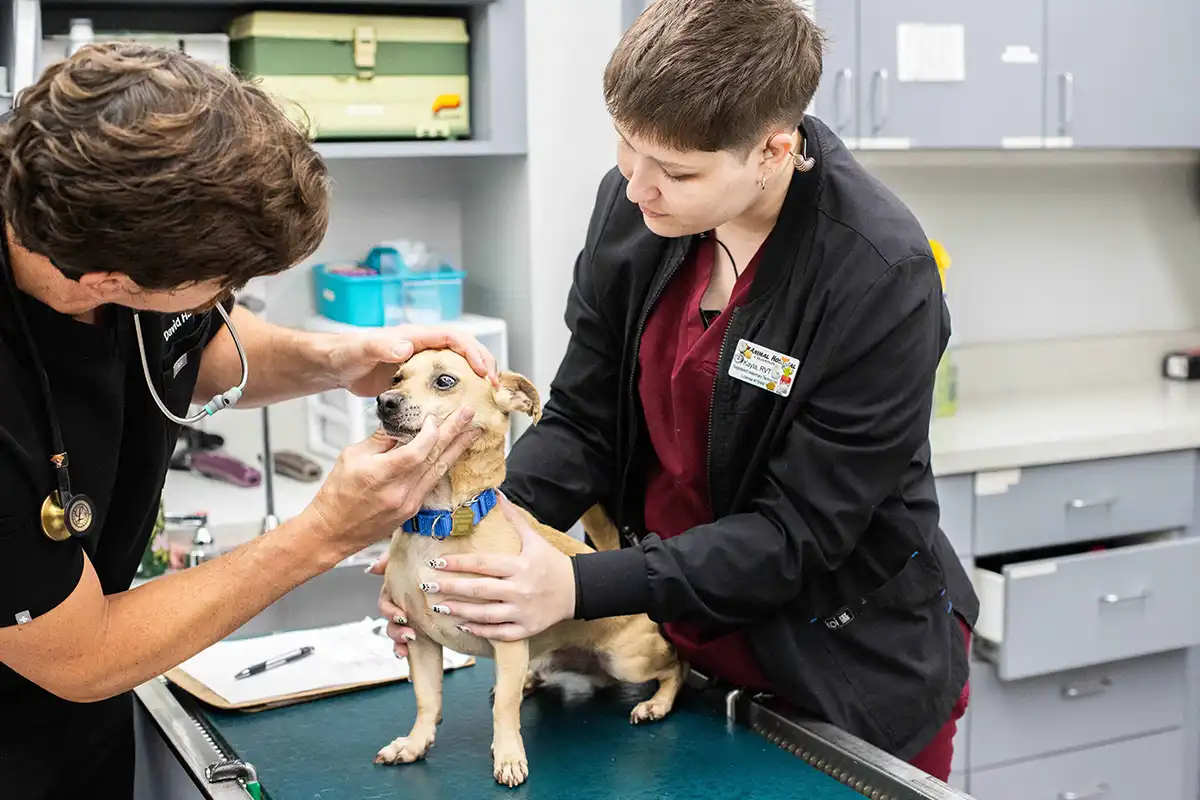
~65%
of practices reported revenue growth, yet profitability pressure persists
Practices broadly value technology but do not connect it to their most pressing business problems.
This includes problem areas such as staffing pressure, revenue growth, and profitability. Digital tools are widely used and provide efficiency gains, yet their perceived impact on revenue growth, staff morale, and appointment no-shows is often neutral.

60%+
of practices use client communication tools like reminders, two-way texting, online booking, and client portals for access to medical records—many of which sync with practice management systems
Clinics will need to actively market to better compete and grow.
Most practices rely on word of mouth and limited digital presence for growth, yet most do not track acquisition costs, maintain a formal marketing plan, or leverage loyalty programs to increase visit frequency and meet modern client expectations—limiting their ability to grow sustainably.
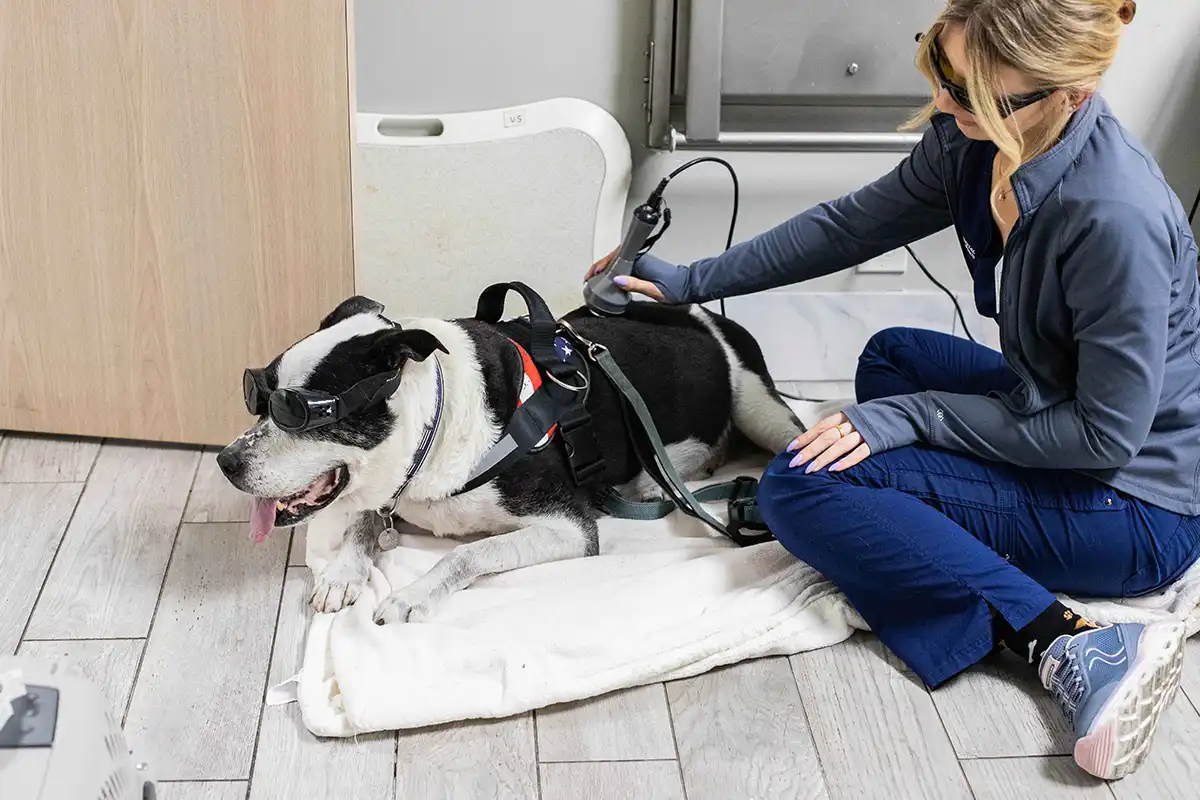
78%+
of practices do not track client acquisition costs (CAC)
33%+
of practices do not have a marketing plan
~75%
of practices that track CAC spend 3% or less of their annual budget on marketing